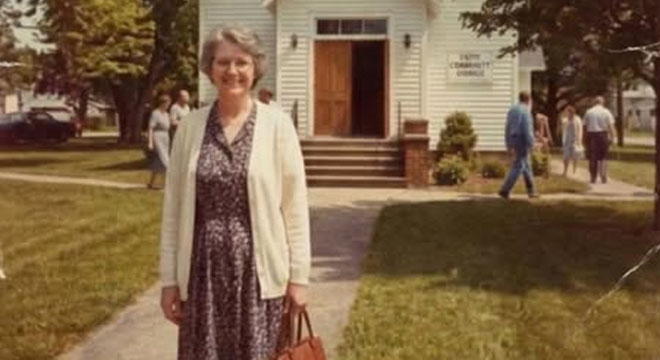
The church my grandmother served for 50 years had forgotten her until they showed up at her deathbed asking for money — so she made sure she had the last laugh.
My grandmother spent nearly fifty years devoted to the same church.
She volunteered every week. She cooked for church dinners, helped with youth programs, organized events, and supported every fundraiser or mission drive. If the church needed help, my grandmother was already there.
She never asked for recognition. She simply believed serving others was the right thing to do.
Everyone knew her. Pastors came and went, but she stayed. For decades, she worked quietly in the background, helping everything run.
Then, when she was seventy-three, a serious car accident left her with a broken back.
After that, she couldn’t attend services anymore. As the years passed, her health declined and she became homebound.
But her faith never changed.
She called the church sometimes. She invited people to visit and told them she missed seeing everyone.
Most of the time, no one came.
People she had spent decades helping suddenly seemed too busy to stop by.
For nearly ten years, that was her life.
Then, when she was placed in hospice care and everyone knew she didn’t have much time left, a pastor finally decided to visit.
At first, he spoke politely about her years of service and asked a few questions about the funeral.
Then the conversation shifted.
He began talking about supporting the church’s future and how faithful members sometimes remembered the church in their wills.
My grandfather told him this wasn’t the time to discuss money.
The pastor apologized and returned to the funeral plans.
But a few minutes later, he brought it up again.
He spoke about generosity, heavenly rewards, and how much the church depended on loyal members like her.
My grandfather repeated that the topic was inappropriate.
The pastor smiled politely — and KEPT GOING.
That was when my grandmother started to cry.
I had seen her face incredible hardships without shedding a tear. But lying there in hospice care, weak and in pain, she began sobbing while this man kept talking about donations and wills.
My grandfather had enough. He stood up, grabbed the pastor by the arm, and showed him the door.
Everyone expected my grandmother to pass away within weeks.
Instead, she lived another eight months.
Partly because she was stubborn.
And partly, I think, because she had something left to finish.
Eventually, my grandmother did pass away.
A few weeks later, our family gathered at the lawyer’s office to hear the reading of her will. The room was packed with children, grandchildren, cousins, aunts, and uncles.
And sitting right in the front row was the pastor.
He had apparently been told that my grandmother had remembered the church in her will, and he looked perfectly calm, as if expecting something generous.
No one said anything to him, but everyone noticed.
When the lawyer finally read what my grandmother had left the church in her will, the pastor’s face and ears turned red. 