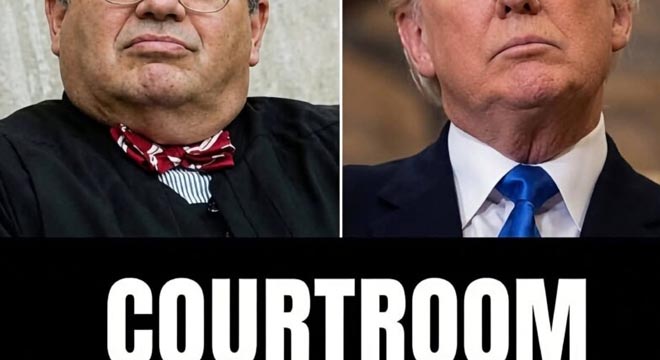
When a federal court declares that a commander-in-chief’s military policy is fueled by “animus,” it’s not just a legal rebuke; it’s a direct shot at the core idea that elected leaders, not judges, set standards for who can fight and die for the country.
The ruling doesn’t simply question the details of the Trump-era transgender policy; it questions its very legitimacy, framing it as an act of hostility rather than a judgment call about readiness, cohesion, and cost.
Critics of the decision argue that the military has always drawn hard lines: age limits, medical disqualifications, physical benchmarks that exclude millions without apology. Service is a privilege, not a universal right. To them, lumping gender-identity restrictions in with unconstitutional discrimination blurs the line between civil rights law and battlefield necessity. For now, the court left intact the ban on new transgender enlistments—but the precedent it sets could reshape every future fight over who is “fit” to serve.