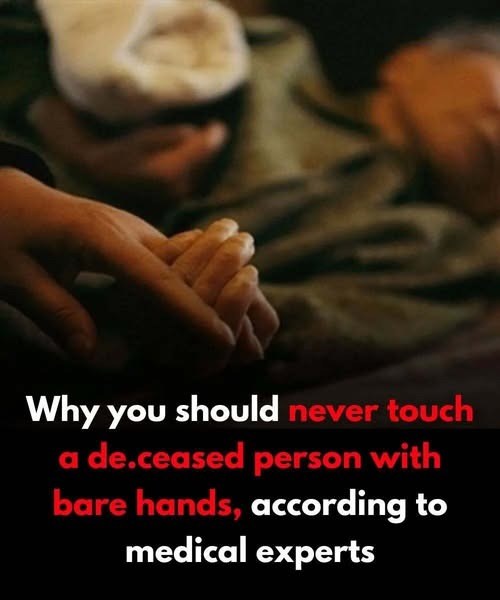
Touching a deceased loved one is a natural impulse, but medical experts strongly advise against doing so with bare hands due to potential health hazards.
Once a person dies, their immune system shuts down, allowing bacteria like E. coli to spread rapidly. Some of these organisms can be harmful or even deadly, especially if they enter the body through unnoticed cuts.
Diseases such as hepatitis B and C, tuberculosis, and in rare cases HIV, may still be transmittable in the early post-mortem period. Embalming slows decay but doesn’t eliminate risk.
Because skin isn’t an impenetrable barrier, professionals always wear gloves for protection. This precaution isn’t mere formality — it’s essential safety.
Safer goodbyes include touching over fabric, using gloves, or simply speaking farewell words. These respectful acts honor the deceased without risking your health.