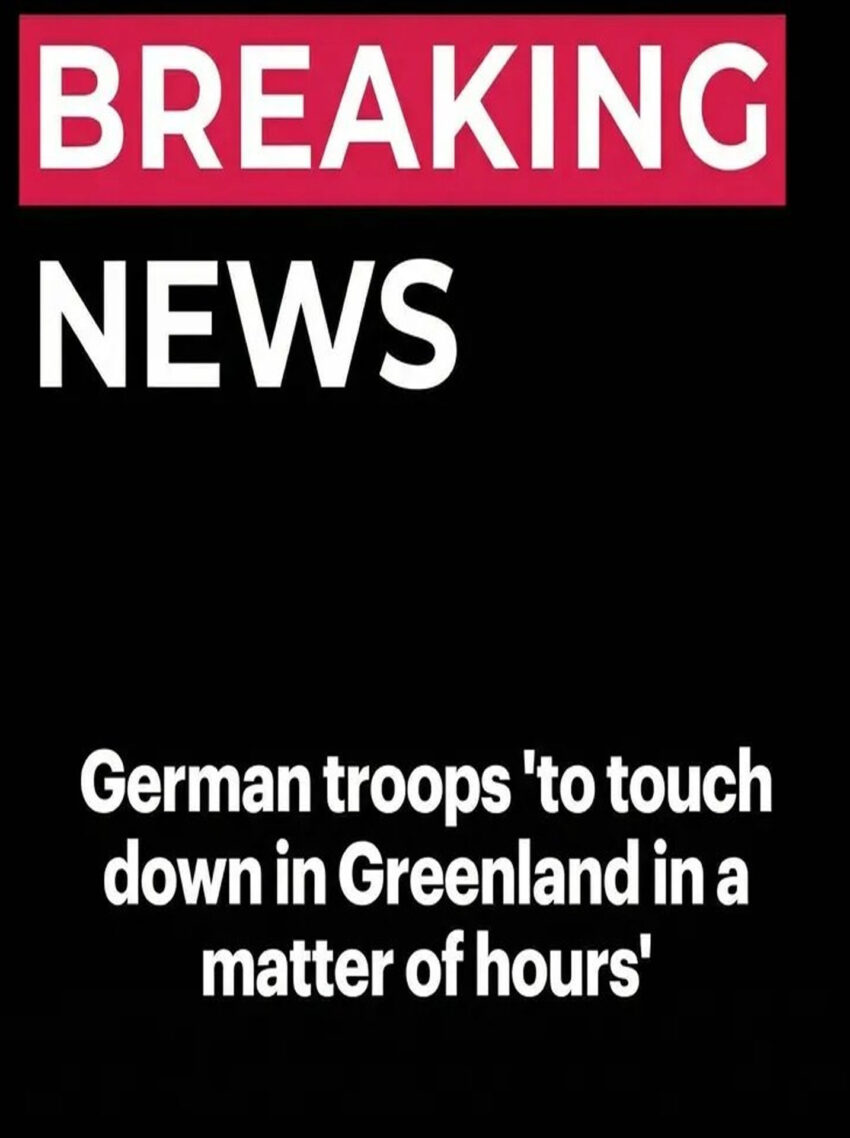
Greenland, the world’s largest island, has quietly become one of the most strategically significant regions on Earth — and nowhere has that status been more visible than at the highest levels of government in Washington, Copenhagen, and Nuuk. What once was a remote Arctic territory has emerged as a focal point of geopolitical competition, alliance tensions, and debates over sovereignty, defense, and the future of the Arctic security framework. Recent high‑level meetings between senior U.S. officials and Danish leadership — including Denmark’s Foreign Minister
Greenland, the world’s largest island, has quietly become one of the most strategically significant regions on Earth — and nowhere has that status been more visible than at the highest levels of government in Washington, Copenhagen, and Nuuk.What once was a remote Arctic territory has emerged as a focal point of geopolitical competition, alliance tensions, and debates over sovereignty, defense, and the future of the Arctic security framework.
Recent high‑level meetings between senior U.S. officials and Danish leadership — including Denmark’s Foreign Minister Lars Løkke Rasmussen, U.S. Vice President J.D. Vance, and U.S. Secretary of State Marco Rubio, joined by Greenland’s Foreign Minister Vivian Motzfeldt — brought these issues into sharp focus.
Although officials described discussions as “frank and constructive,” they also made clear that deep disagreements persist over how Greenland’s long‑term security and strategic role should be handled.What follows is a comprehensive look at how Greenland became so strategically important, why tensions have arisen between longtime allies, how Denmark and Greenland are responding, and what this means for Arctic security in the years ahead.
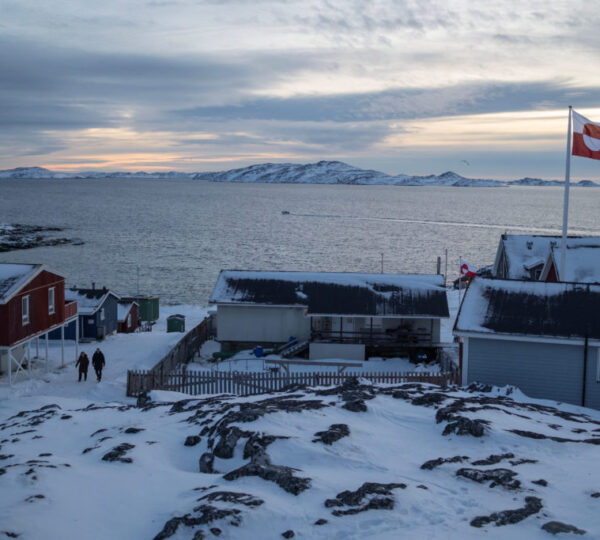
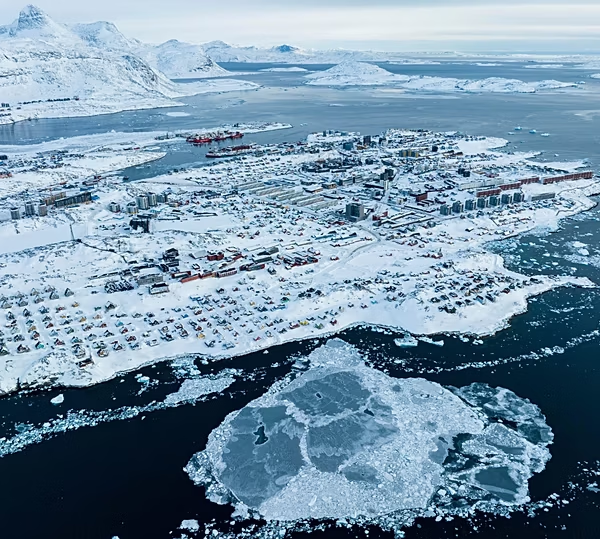
Greenland’s importance stems from geography, history, and changing global dynamics. The island sits primarily within the Arctic Circle, positioned between North America and Europe.
This location has made it strategically valuable since the Second World War, when the United States established a military presence there to prevent Nazi Germany from gaining influence and to protect crucial North Atlantic sea lanes.The Cold War further solidified Greenland’s role in continental defense. The U.S. operated radar stations and air bases — including what is now known as Pituffik Space Base in northern Greenland — as part of the early warning system against potential Soviet missile attacks.
After the Cold War, interest in the region waned but never disappeared entirely.In recent years, two major trends have reignited global attention on the Arctic:Climate Change: Thinning sea ice is opening new shipping routes and making previously inaccessible areas easier to navigate.Resource Potential and Competition: Greenland sits atop vast deposits of critical minerals and rare earth elements needed for electronics, energy storage, defense technologies, and telecommunications.
These changes are drawing increased interest from major powers — particularly the United States, Russia, and China — as each seeks to protect strategic interests and access emerging economic opportunities.This shifting landscape has elevated Greenland from a peripheral location to a central piece of 21st‑century strategic planning.
U.S. Strategic Emphasis and Rising Tensions
In recent years, U.S. leaders have placed renewed emphasis on Greenland’s importance to national security. President Donald Trump has publicly described Greenland as vital and repeatedly stated that the United States must ensure strong defense readiness in the region — even suggesting that the U.S. might own Greenland outright.
At the same time, Vice President J.D. Vance has been vocal in his criticism of Denmark’s approach to Arctic defense. During a visit to Greenland, he argued that Denmark “has underinvested” in the island’s security and suggested that the U.S. could better protect the territory.
Reports indicate that Vance claimed Denmark did not dedicate sufficient resources to Arctic defense, a critique that was both controversial and widely criticized by Danish leaders.
Secretary of State Marco Rubio has also publicly reinforced the point that U.S. interest in Greenland should not be treated as a casual option, emphasizing the seriousness of Washington’s focus.
Together, these statements reflect a view in parts of the U.S. leadership that Greenland is too strategically important to be left solely under Danish control.
The U.S. discussion has sometimes gone beyond strategic cooperation and toward openly discussing control or possession of the island.
While most of those ideas have not translated into formal policy, the rhetoric has been strong enough to trigger diplomatic pushback from Denmark and its partners.
Denmark’s Response: Sovereignty and Security
Denmark’s position has been consistent: Greenland is part of the Kingdom of Denmark, and its sovereignty is not up for negotiation with any foreign power.
Danish officials, including Foreign Minister Lars Løkke Rasmussen, have emphasized that Greenland’s political status is not subject to external bargaining and that any decisions about its future must involve the governments of Denmark and Greenland.
Rasmussen described the talks with U.S. officials as constructive but reiterated that disagreements remain, particularly around proposals that seem to challenge Danish control or Greenland’s autonom
He stressed that while Denmark welcomes cooperation, the territory’s sovereignty and Greenland’s right to self‑determination are non‑negotiable foundations of any discussion.
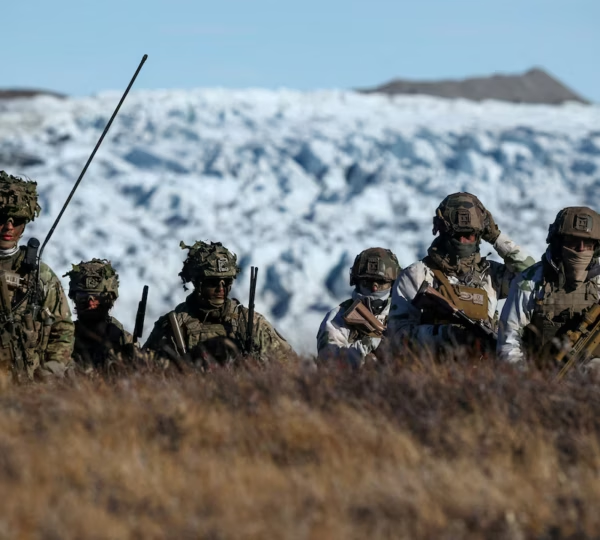
Denmark is also moving to strengthen its own military presence in the Arctic. The Danish Defense Minister has announced plans to expand military activity in Greenland through increased training, exercises, and coordination with NATO partners, pledging new naval vessels, surveillance equipment, and improved infrastructure in the region.
These efforts are aimed at demonstrating that Denmark takes Arctic defense seriously and is committed to protecting Greenland and surrounding waters, even as global competition intensifies.
Rather than viewing cooperation with the United States as unnecessary, Copenhagen appears to be reaffirming Greenland’s role within NATO frameworks and Danish sovereignty.
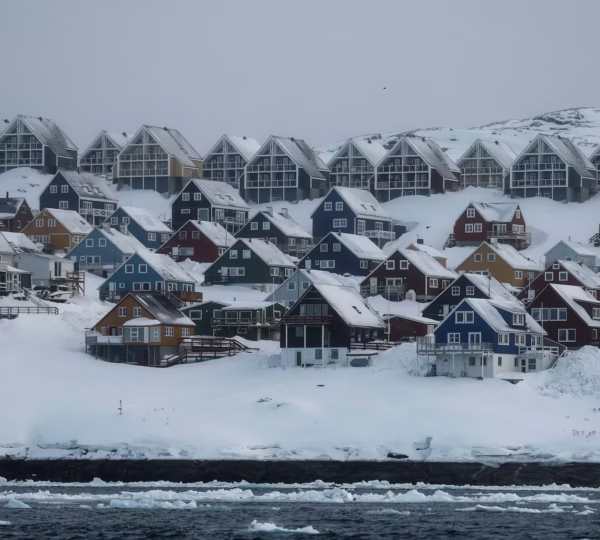
Greenland’s Perspective: Self‑Determination and NATO
Greenland itself holds semi‑autonomous status within the Kingdom of Denmark, managing many of its internal affairs independently while Denmark oversees defense and foreign policy. This arrangement reflects decades of evolving political development on the island.
Officials in Nuuk have been firm that cooperation with allies — including the United States — is welcome, but this does not mean yielding control or becoming part of another sovereign state.
Greenlandic leaders have repeatedly stated that Greenland belongs to Greenlanders and that decisions about its future must respect democratic choice and self‑determination.
In fact, the government of Greenland has said that defense should continue to be handled through NATO, with the Kingdom of Denmark representing it in alliance structures, rather than being subject to unilateral control by any single external power.
This effort to anchor Greenland’s defense within established international frameworks indicates a preference for multilateral cooperation rather than bilateral takeovers.
NATO Allies and Regional Cooperation
The tension between the U.S. and Denmark over Greenland’s security arrangements has not gone unnoticed among other NATO members.
Several European allies have signaled support for Denmark’s stance on sovereignty and international law. For example, German leaders have emphasized that external actors cannot unilaterally determine Greenland’s status, underscoring the primacy of international norms.
Meanwhile, NATO partners such as Sweden and Norway have joined Danish‑led Arctic military exercises, signaling a broader alliance interest in maintaining readiness in the region.
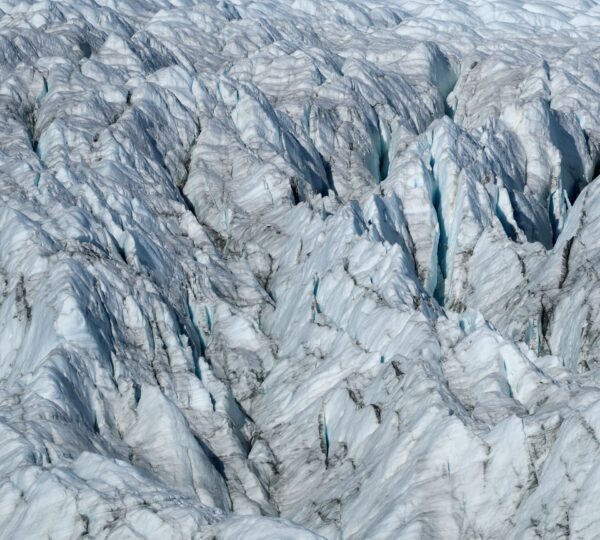
These exercises aim to enhance interoperability, surveillance, and defense capabilities under existing NATO frameworks, rather than paving the way for territorial transfers or unilateral actions.
Even within the United States, some lawmakers have spoken out to reassure Denmark and Greenland that most Americans do not support moves to purchase or annex the island.
Bipartisan delegations have emphasized the importance of alliance solidarity and cautioned against policies they believe could undermine NATO relationships.
The involvement of NATO allies and discussions about coordinated defense responses reflect how seriously European partners are taking the changing security landscape in the Arctic.
Strategic Disagreement vs. Practical Cooperation
Despite the public disagreements, both Denmark and the United States agreed in recent meetings to create a working group tasked with continuing discussions on Arctic cooperation and security planning.
The aim is to explore ways to strengthen defense collaboration without encroaching on Denmark’s red lines regarding sovereignty and political control.
This working group could focus on shared priorities such as:
Joint surveillance and intelligence sharing
Infrastructure improvements for military logistics
Expanded NATO exercises in Arctic conditions
Coordination on environmental monitoring and maritime safety
Such cooperation could enhance defense readiness while respecting the sovereignty and self‑governing aspirations of Greenland and Denmark.
Conclusion: A Strategic Region, a Sovereign People
Greenland stands at the intersection of shifting geopolitical interests, climate change impacts, and alliance diplomacy.

Its location has made it indispensable to Arctic defense planning, yet its political status as a semi‑autonomous part of the Kingdom of Denmark remains the anchor around which all debates revolve.
The tension between Danish calls for respect for sovereignty and U.S. emphasis on strategic necessity illustrates a broader challenge facing Western alliances in the 21st century: balancing security imperatives with international norms and self‑determination.
Greenland’s leaders have made it clear that they want cooperation with allies, but not at the cost of their freedom to choose their own future.
As conversations continue through working groups and diplomatic channels, the message remains consistent from Copenhagen and Nuuk: dialogue is welcome, cooperation is possible, but Greenland’s sovereignty and the right of its people to decide their destiny are not up for negotiation.